1. Describe what you see
Start by telling Glendale Biohazard Cleanup Help about the containers, the smell, the location and anyone who has been exposed. The answers shape the plan.
Glendale, MO · St. Louis County
Call (877) 812-4220 if chemical waste is leaking, spreading or stored badly at a Glendale site. Crews work to protect people, soil and drains and remove the hazard with the right equipment.
If anyone is in danger, call 911 first. For a suicide crisis, call or text 988.
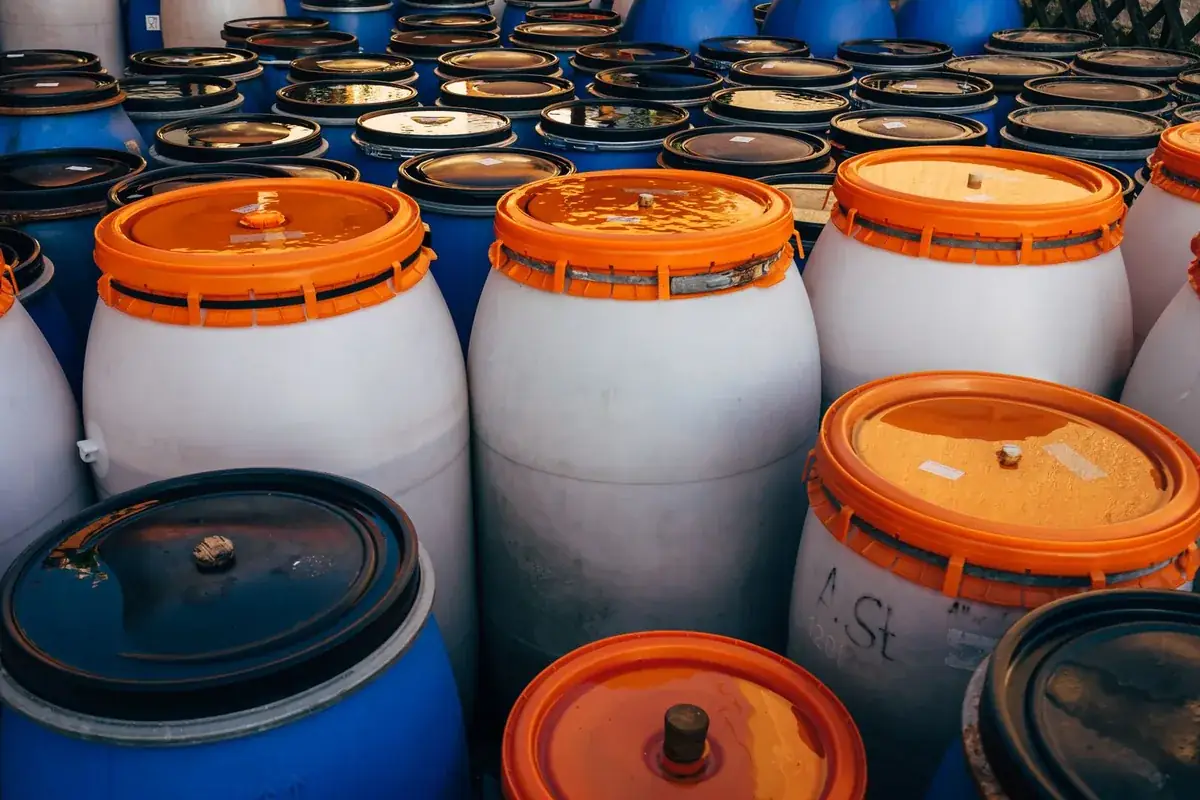
Unlike biohazard work, which deals with blood and other germs, chemical cleanup deals with harmful substances such as solvents, acids and pesticides. Some jobs involve both, and the crew plans for each.
Need hazardous waste cleanup across St. Louis County, including Glendale? Call Glendale Biohazard Cleanup Help. Your crew sorts products by type, packages them so they cannot react and cleans the surfaces they leave behind.
Wet weather in Glendale, about 44 inches of precipitation a year, speeds the rusting of old drums and the spread of leaked product. Fewer homes in St. Louis County sit empty, so chemical calls tend to come from occupied properties with leaking garage or shed containers.
A typical chemical & toxic waste cleanup job includes:
Start by telling Glendale Biohazard Cleanup Help about the containers, the smell, the location and anyone who has been exposed. The answers shape the plan.
Gloves, eye protection, respirators and chemical-resistant suits go on as the hazard requires. The work zone is marked and ventilation is managed.
Hazardous material, empty containers and soaked items go into sealed drums or bags. Hard surfaces are cleaned, and porous materials that soaked up the substance are removed.
Waste is hauled and the owner receives a list of what was removed. The team explains what to keep for insurers, buyers or inspectors.
The cost of chemical & toxic waste cleanup in Glendale, MO depends on the amount of material, how it is packed and how it is hauled.
Unknown containers take more time. When labels are missing, crews must identify the contents before they can pack and move them, and that work adds hours.
| Type of job | Typical range |
|---|---|
| Hazardous chemicals | $30 - $50 per barrel |
Estimates only, not a quote. Sources: Fixr. Price drivers include type of chemical, amount, packaging and transport, disposal fees. Call (877) 812-4220 to talk through the job.
The terms overlap. Hazmat usually refers to the wider set of hazardous materials, and chemical and toxic waste describes leftover or spilled chemicals. Both call for careful handling. A local team can explain which term fits your situation.
Keep people away and call 911 if there is danger. Cleanup teams place barriers and absorbents to stop the spread and remove contaminated soil or materials where needed. Local fire and health officials can say what must be reported.
Usually yes. Crews arrive in unmarked vehicles, work quietly and keep the job private. Tell the team at the start if discretion matters, and it will plan around that.
Yes. Many calls come from managers who find drums, jugs or unlabeled containers in a vacated unit. The lease and local law decide who pays, and the crew can provide photos and records.
Some products release toxic gas when combined. Bleach and ammonia are a well-known example. Never mix products to clean a spill, and leave the area if you smell fumes.
Biological hazards come from living things, such as bacteria, viruses and body fluids. Chemical hazards come from substances like solvents, acids, fuels and pesticides. They need different gear, products and disposal, and some jobs involve both.
Ask how waste is hauled and disposed of before anyone starts work.
Call (877) 812-4220