1. Assessment
The team inspects the cabin, finds where fluids reached and decides what can be cleaned and what must come out.
Glendale, MO · St. Louis County
Blood, vomit, urine or waste in a vehicle in Glendale is a job for protective gear and proper disposal. Call (877) 812-4220 and cleaners will contain the cabin, clean it and haul the waste.
If anyone is in danger, call 911 first. For a suicide crisis, call or text 988.
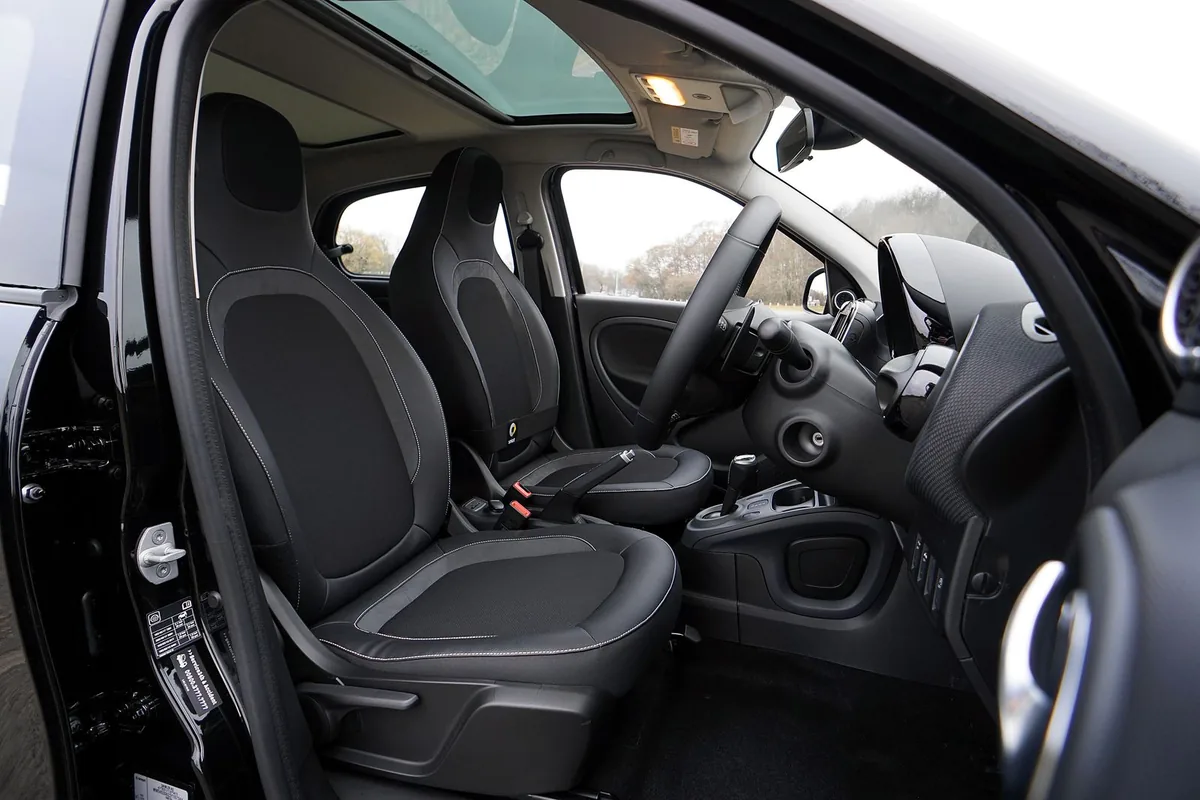
Car biohazard cleaning deals with the tight, hard-to-reach spaces inside a vehicle: seat tracks, seams, floor pans, vents and door cavities. Fluids settle in these places, and a missed spot can keep the smell alive.
From one stained seat to a full interior, you can get car biohazard cleaning for Glendale and the rest of St. Louis County by calling Glendale Biohazard Cleanup Help. The work is private, careful and focused on safety.
With about 44 inches of rain a year in Glendale, damp air and leaks can feed mold in a contaminated vehicle that was left sitting. The nearest emergency room, Missouri Baptist Medical Center in Saint Louis, is about 4 miles away. Call 911 for injuries first; cleanup comes after.
A typical vehicle biohazard cleanup job includes:
The team inspects the cabin, finds where fluids reached and decides what can be cleaned and what must come out.
Crews check how far fluid travelled into foam, carpet, door cavities and the floor pan, since the surface rarely shows the full picture.
Fluids are lifted from every surface they reached. Soaked items are removed and the remaining surfaces are sanitized.
The crew inspects each affected area, hauls away the waste and can provide notes for insurance claims.
Vehicle biohazard cleanup in Glendale, MO typically costs $500 to $5,000, depending on the size of the affected area and the materials involved.
Waste volume plays a role. More removed material means more packaging and more regulated medical waste to haul and dispose of.
| Type of job | Typical range |
|---|---|
| Vehicle biohazard cleanup | $500 - $5,000 |
Estimates only, not a quote. Sources: BioCleaners Directory. Price drivers include type of interior materials, how serious the event was, time since the event, air system decontamination. Call (877) 812-4220 to talk through the job.
Often, yes. Crews can work in a driveway, garage or lot, depending on space, weather and the extent of the contamination. Some vehicles are moved to an enclosed space to keep the work private and contained.
A salvage vehicle is one an insurer has declared a total loss. Some are also tagged for contamination when blood or fluids were involved. Labels and rules vary, so ask the insurer or the state title office what applies to a specific vehicle.
A small spill on a hard surface can be cleaned with gloves, eye protection and an EPA-registered disinfectant. Do not do it with an open cut, and do not use the car until fluids that soaked into fabric are removed. For larger spills, call a cleanup team.
Cleaning a biohazard car starts with protection: gloves, eye protection and a mask. Contaminated upholstery and padding are removed, hard surfaces are cleaned, and an EPA-registered disinfectant is used by the label. Heavy contamination is best left to a vehicle biohazard cleanup team.
A biohazard vehicle is a car, truck, van or bus that has been contaminated by blood, body fluids, waste or decomposition. Because these materials can carry infectious germs, the vehicle needs decontamination, not just a wash.
It may, or it may not. It depends on whether an insurer, a salvage record or a title brand noted the contamination. Ask the seller, the insurer or the title office, and keep cleaning records.
Call (877) 812-4220 any hour for vehicle biohazard cleanup.
Call (877) 812-4220